Is Your Home Safe? 7 Electrical Warning Signs to Never Ignore
Electrical faults cause thousands of house fires in the UK every year. These seven warning signs could mean your home has a serious problem that needs urgent attention.
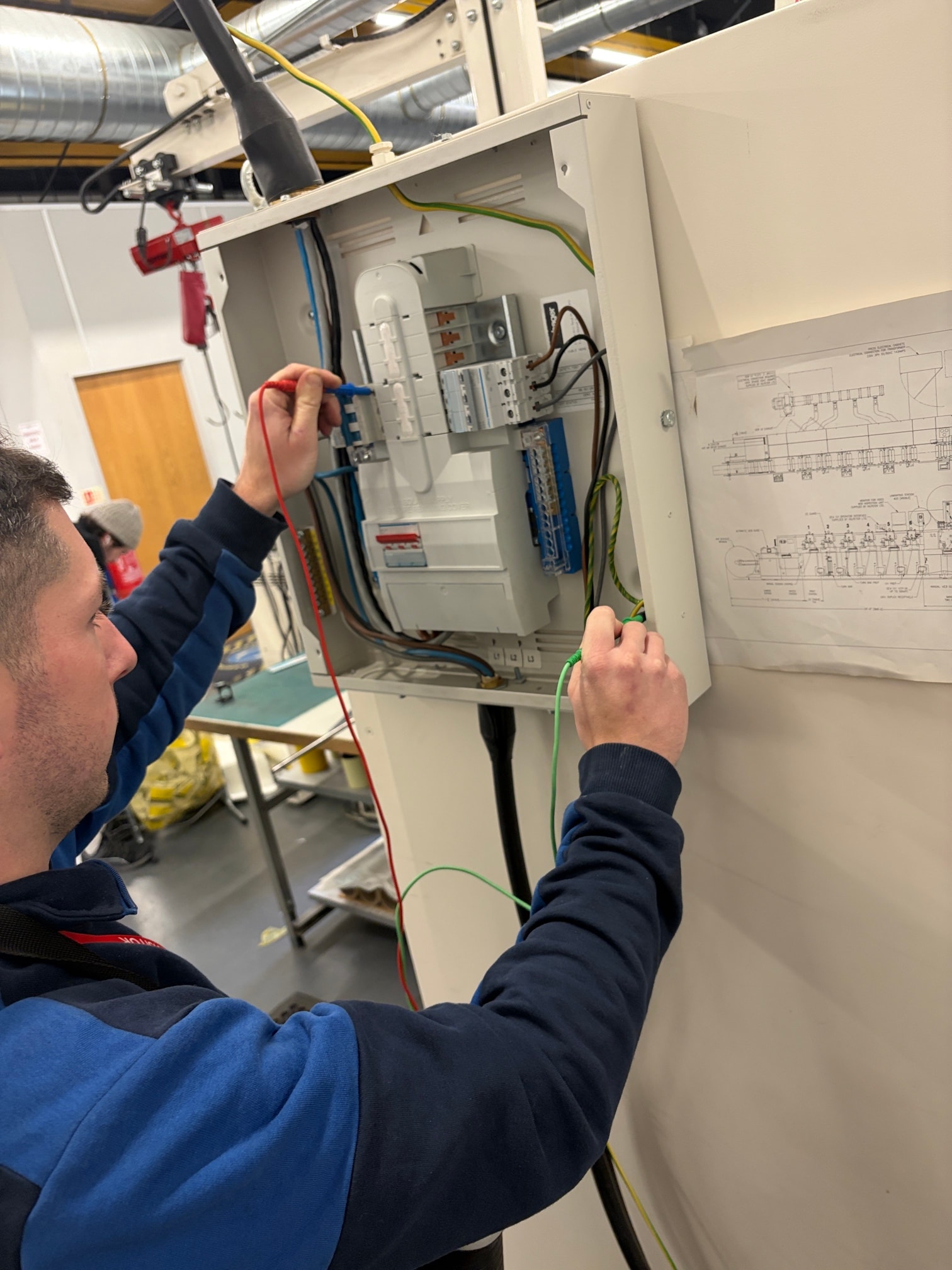
Electrical faults are one of the leading causes of house fires in the UK. The problem is that many of the warning signs are easy to dismiss — a light that flickers occasionally, a socket that feels slightly warm, a circuit breaker that trips once in a while.
But these small things can be early indicators of a serious underlying problem. Here are seven electrical warning signs you should never ignore.
1. Flickering or Dimming Lights
Lights that flicker or dim occasionally are not always a cause for concern — a loose bulb or a brief voltage fluctuation from the grid can cause this. But if it happens regularly, especially across multiple rooms or when you switch on an appliance, it could indicate:
- A loose connection in the wiring
- An overloaded circuit
- A fault in the consumer unit
- Deteriorating wiring that can no longer handle the load
Persistent flickering warrants a proper investigation by a qualified electrician.
2. Burning Smell or Scorch Marks
A burning smell from a socket, switch, or appliance is a serious warning sign. So are scorch marks or discolouration around sockets and switches.
These indicate that heat is being generated where it should not be — usually because of a loose connection, overloaded circuit, or faulty wiring. Left unchecked, this can start a fire inside your walls, often without any visible warning until it is too late.
If you smell burning from your electrics, switch off the affected circuit at the consumer unit and call an electrician immediately.
3. Warm or Buzzing Sockets and Switches
Sockets and switches should be cool to the touch and completely silent. If a socket feels warm — even slightly — or you can hear a buzzing or crackling sound from a switch or socket, there is likely a loose connection or a fault in the wiring behind it.
This is particularly common in older homes where the wiring has degraded over time, or where sockets have been overloaded with adaptors and extension leads.
4. Frequent Circuit Breaker Trips
Your circuit breakers are designed to trip when a circuit is overloaded or a fault is detected. An occasional trip — when you plug in too many appliances at once, for example — is normal.
But if a particular circuit trips repeatedly, or if your consumer unit trips for no obvious reason, something is wrong. It could be:
- A faulty appliance on that circuit
- A wiring fault causing a short circuit
- An overloaded circuit that needs splitting
- A failing circuit breaker that needs replacing
Do not simply keep resetting the breaker and hoping for the best. Investigate the cause.
5. Sparks When Plugging In
A very small, brief spark when you plug something in is not unusual — it is caused by the initial surge of current as the circuit completes. But large sparks, sparks that happen frequently, or sparks accompanied by a popping sound are a different matter entirely.
These can indicate a short circuit, a loose connection, or moisture in the socket. Any of these can cause a fire or electric shock.
6. Old or Damaged Wiring
If your home was built before 1970 and has never been rewired, there is a good chance it still has the original wiring. Old rubber-insulated cables become brittle and crack over time, exposing live conductors. Aluminium wiring, used in some homes in the 1960s and 1970s, expands and contracts with temperature changes, loosening connections over time.
Signs of old wiring include:
- Cables with black rubber or fabric insulation (rather than modern PVC)
- Round-pin sockets
- A fuse board with rewirable fuses rather than circuit breakers
- No RCD protection
An EICR will identify the condition of your wiring and flag anything that needs attention.
7. Electric Shocks from Appliances or Switches
Any electric shock — even a mild tingle — from an appliance, socket, or switch is a serious warning sign. It means electricity is reaching a surface it should not be reaching, which indicates a fault in the appliance, the wiring, or the earthing of your electrical system.
Do not use the appliance or socket again until it has been checked. A mild shock today can become a fatal one tomorrow.
What to Do If You Notice These Signs
If you spot any of these warning signs, the right course of action depends on the severity:
Immediate danger (burning smell, sparks, electric shock): Switch off the main switch on your consumer unit and call an electrician straight away. Do not use the affected circuits until the fault has been found and fixed.
Ongoing concern (flickering lights, warm sockets, frequent trips): Book an EICR or a fault-finding visit. A qualified electrician can identify the root cause and advise on the best fix.
Older property with no recent inspection: Book an EICR. If your home has not been inspected in the last 10 years (or ever), you may have faults you are not even aware of.
How Often Should Your Electrics Be Inspected?
The current recommendation is:
- Owner-occupied homes: Every 10 years
- Rental properties: Every 5 years (legally required in Scotland)
- When buying a property: Before or shortly after purchase
- After major electrical work: To verify the installation is safe
An EICR gives you a clear picture of the condition of your electrics and identifies anything that needs attention — from minor observations to urgent safety issues.
Summary
Electrical faults rarely announce themselves dramatically. They tend to develop slowly, with small warning signs that are easy to overlook. Paying attention to flickering lights, warm sockets, burning smells, and frequent trips could prevent a house fire — or save a life.
If you have noticed any of these warning signs in your Ayrshire home, call Test My Electrics on 01292 432525 for a free assessment.
Explore Topics
Written by
Neil Claxton
Content creator and writer sharing insights and stories.


