Do You Need an EICR Before Selling or Renting in Scotland?
An EICR is legally required for rental properties in Scotland — and increasingly expected by buyers and mortgage lenders. Here is what you need to know before you sell or let.
Whether you are a landlord preparing a property to let, or a homeowner getting ready to sell, you may have been told you need an EICR. But what exactly is it, is it legally required, and what happens if your property fails?
Here is everything you need to know about EICRs in Scotland.
What Is an EICR?
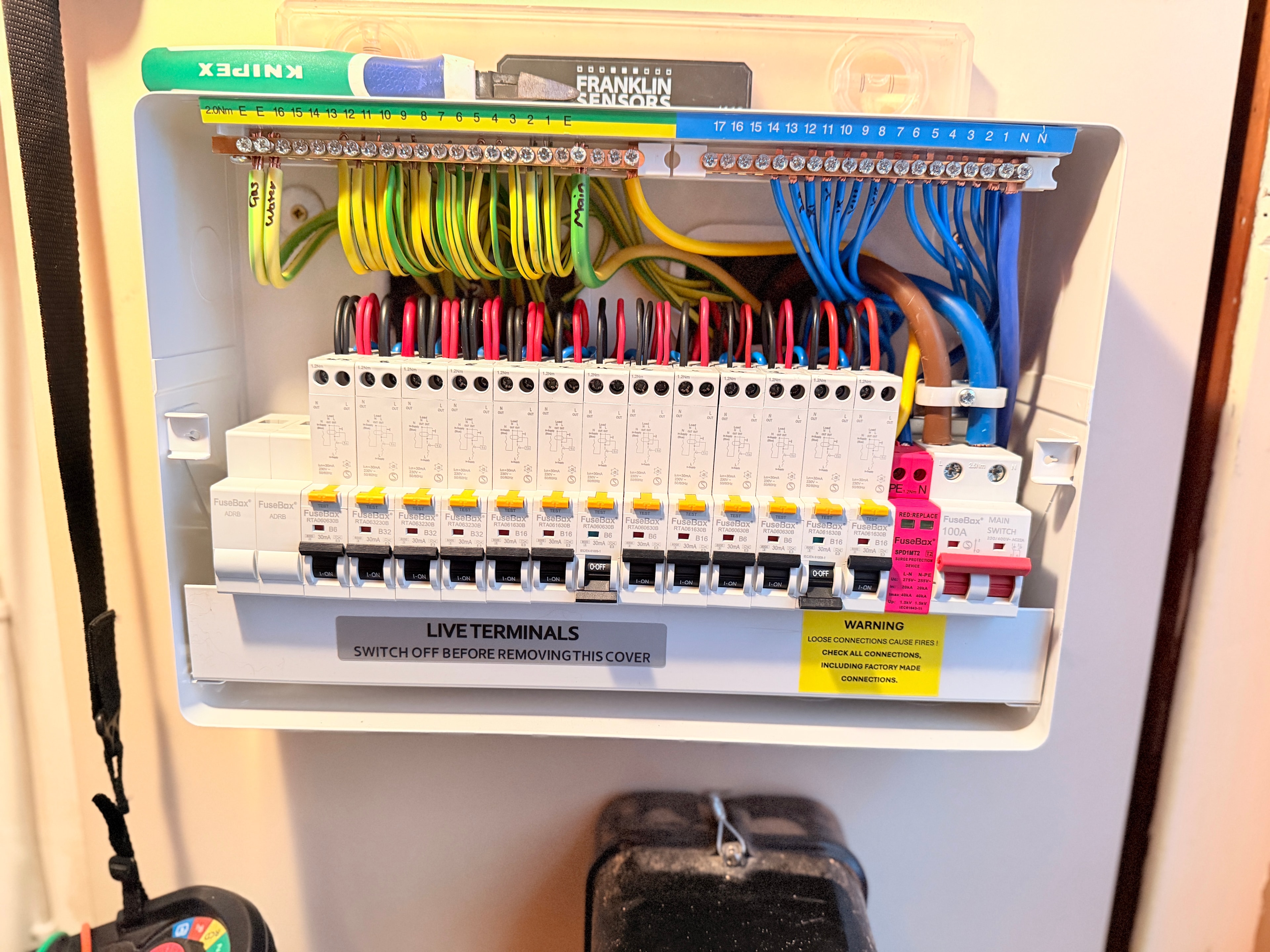
An EICR — Electrical Installation Condition Report — is a formal inspection and test of a property's fixed electrical installation. That includes the wiring, sockets, switches, light fittings, consumer unit, and earthing and bonding arrangements.
The inspection is carried out by a qualified electrician and results in a report that grades the installation using one of four codes:
- C1 — Danger present. Immediate remedial action required.
- C2 — Potentially dangerous. Urgent remedial action required.
- C3 — Improvement recommended. Not a failure, but worth addressing.
- FI — Further investigation required. A potential issue that needs more investigation before a verdict can be given.
A property passes an EICR if it has no C1 or C2 codes. C3 codes are observations — they do not cause a failure, but a responsible landlord or seller should take them seriously.
Is an EICR Legally Required in Scotland?
For Rental Properties: Yes
Since 1 December 2015, Scottish landlords have been legally required to ensure that the electrical installation in a rented property is inspected and tested by a competent person at least every five years — or at the start of each new tenancy, whichever comes sooner.
The report must be provided to the tenant at the start of the tenancy and to the local authority on request. Failure to comply can result in a fine of up to £5,000.
If the EICR identifies C1 or C2 faults, these must be remedied before the property can be legally let.
For Properties Being Sold: Not Legally Required, But...
There is currently no legal requirement to have an EICR when selling a home in Scotland. However, there are several practical reasons why having one is increasingly important:
Mortgage lenders. Many lenders now request evidence of electrical safety as part of the conveyancing process, particularly for older properties. An EICR can prevent delays or complications.
Buyer expectations. Buyers — especially those purchasing older properties — are increasingly asking for electrical certificates as part of their due diligence. Having one ready can speed up the sale and give buyers confidence.
Home Reports. Scotland's mandatory Home Report includes a Single Survey, which may flag electrical concerns. An EICR provides a more detailed picture and demonstrates that any issues have been properly assessed.
Peace of mind. If you are selling a property you have owned for many years, an EICR tells you — and your buyer — that the electrics are safe and up to standard.
How Long Does an EICR Take?
The time depends on the size and complexity of the property:
- 1-bedroom flat: 1–2 hours
- 3-bedroom house: 2–4 hours
- Larger or older properties: Half a day or more
The electrician will need access to all rooms, the consumer unit, and any outbuildings with electrical installations.
What Happens If the Property Fails?
If the EICR identifies C1 or C2 faults, remedial work is required. The nature of the work depends on what was found:
- A loose connection or faulty socket might be a quick fix
- An outdated consumer unit without RCD protection will need replacing
- Deteriorated wiring may require a partial or full rewire
Once the remedial work is complete, the electrician issues an Electrical Installation Certificate (EIC) confirming the work has been done to the required standard. A follow-up inspection may be needed to confirm the original faults have been resolved.
How Much Does an EICR Cost in Ayrshire?
Typical costs for an EICR in Ayrshire:
- 1-bedroom flat: £100–£150
- 3-bedroom house: £150–£250
- 4+ bedroom house: £250–£400
At Test My Electrics, we provide fixed-price EICRs with no hidden extras. The report is issued digitally and includes a full breakdown of any codes identified.
How to Arrange an EICR
Arranging an EICR is straightforward. You need a qualified electrician who is registered with a competent person scheme — in Scotland, that means NAPIT or SELECT.
At Test My Electrics, we carry out EICRs across Ayrshire, including Ayr, Kilmarnock, Troon, Prestwick, Irvine, and the surrounding areas. We can usually accommodate bookings within a few days.
Summary
- Landlords in Scotland: An EICR every five years (or at the start of each tenancy) is a legal requirement. Failure to comply risks a £5,000 fine.
- Sellers: An EICR is not legally required but is increasingly expected by buyers and lenders, and can prevent delays in the sale process.
- All properties: An EICR is the most reliable way to confirm that your electrical installation is safe and up to current standards.
To arrange an EICR in Ayrshire, call Test My Electrics on 01292 432525 or use our online quote form.
Explore Topics
Written by
Neil Claxton
Content creator and writer sharing insights and stories.